


TLDR
A process safety engineer prevents major accidents at plants that handle flammable or toxic fluids under pressure: fires, explosions and large releases. Where an HSE engineer focuses on people and day-to-day compliance, a process safety engineer focuses on keeping hydrocarbons inside the pipes and vessels, and on making sure the barriers that stop a small failure becoming a disaster actually work.
Most enter from chemical, process or mechanical engineering after a few years in design or operations. UK pay typically sits between about £38,000 and £60,000, with senior and lead roles above £70,000. Recognised credentials include IChemE Professional Process Safety Engineer registration and the CCPS Process Safety Professional Certification.
This guide covers what the job involves in oil and gas, the studies you will run, how the role differs from HSE, what it pays, the qualifications that count, how to get in and the training that builds the career.
What Does a Process Safety Engineer Do in Oil and Gas?
A process safety engineer manages major accident hazards. These are the low-frequency, high-consequence events that can destroy a facility: a gas release that finds an ignition source, a vessel that ruptures from overpressure, a toxic cloud from a sour gas leak. The industry’s worst accidents, including Piper Alpha in 1988, the Texas City refinery explosion in 2005 and Deepwater Horizon in 2010, were process safety failures rather than slips and trips.
The work rests on one idea. Every hazard should be controlled by several independent barriers, so that no single failed valve, missed inspection or human error leads to a catastrophe. The process safety engineer identifies the hazards, decides which barriers are needed, checks that they are good enough, and keeps checking as the plant ages and changes.
In oil and gas the role appears across the whole asset life. On new projects, process safety engineers shape the design through hazard studies. On operating assets, they support the plant through modifications, turnarounds and incident investigations. On offshore installations they contribute to the safety case, the document that shows the regulator major accident risks are being controlled.
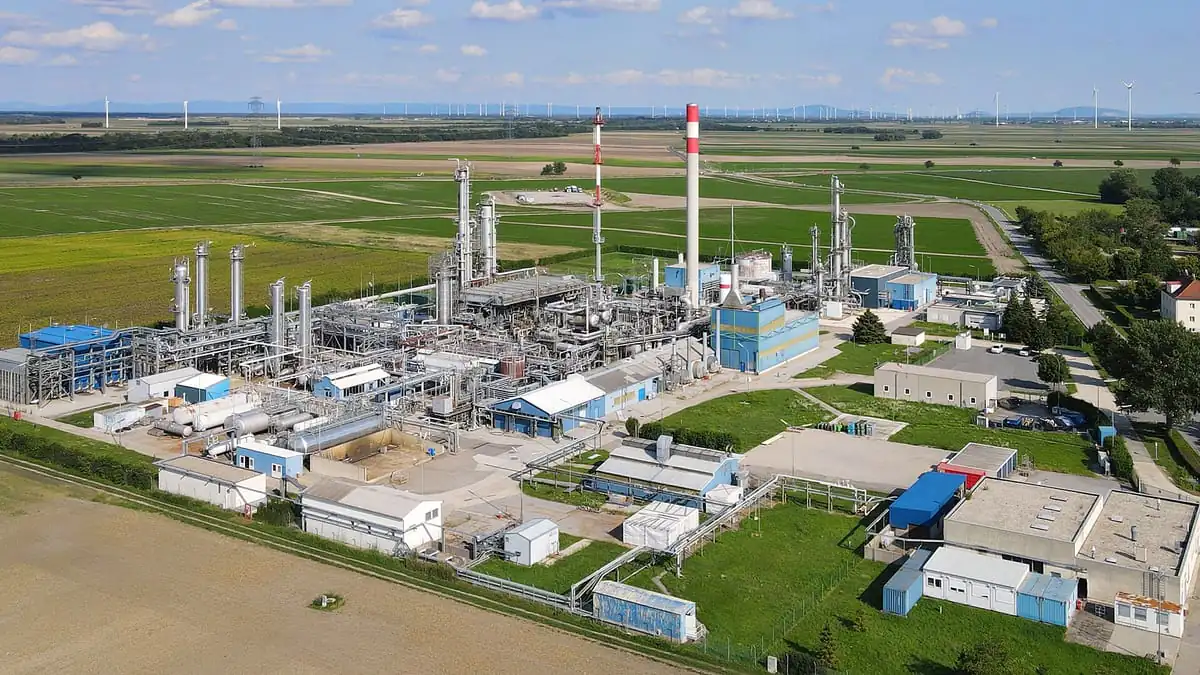
Process Safety Engineer Job Description: Core Responsibilities
The day-to-day mix depends on whether you work for an operator, an engineering contractor or a consultancy, but the core duties are consistent across the industry.
A Process Safety Engineer’s Core Responsibilities
- Leading or scribing hazard studies such as HAZID, HAZOP and LOPA, and tracking the actions they produce
- Assessing whether safety instrumented functions and relief systems give enough protection
- Reviewing designs and modifications through management of change, so new risks are not introduced by accident
- Maintaining the register of safety-critical elements and the performance standards they must meet
- Supporting pre-start-up safety reviews before new or modified equipment is brought into service
- Investigating process safety incidents and near misses, and finding the root causes
- Tracking process safety performance indicators, such as loss of containment events and overdue barrier maintenance
- Contributing to safety cases and major accident reports required by regulators
Much of the work happens in meetings and on paper, but good process safety engineers spend real time on the plant. A HAZOP on a drawing is only as good as the team’s understanding of how the equipment is actually operated and maintained.
Process Safety Engineer vs HSE Engineer: Where the Roles Differ
The two roles sit close together and are often confused, sometimes even in job adverts. The simplest way to separate them is by the type of harm each one is trying to prevent.
| Process safety engineer | HSE engineer | |
|---|---|---|
| Main focus | Major accident hazards: fires, explosions, toxic releases | Occupational safety, health and environmental compliance |
| Typical question | What happens if this vessel overpressures, and what stops it? | Is this task being done safely and in line with the rules? |
| Key tools | HAZOP, LOPA, SIL assessment, bow-tie, consequence modelling, QRA | Risk assessments, inspections, audits, permit checks, training |
| Typical background | Chemical, process or mechanical engineering | Engineering, science or occupational safety qualifications |
| Where you spend time | Design reviews, hazard studies, technical assessments | On site with crews, contractors and supervisors |
In practice the two work closely, and many people move between them. If occupational safety and environmental compliance appeal to you more than hazard studies, our guide on what an HSE engineer does in oil and gas covers that route in detail.
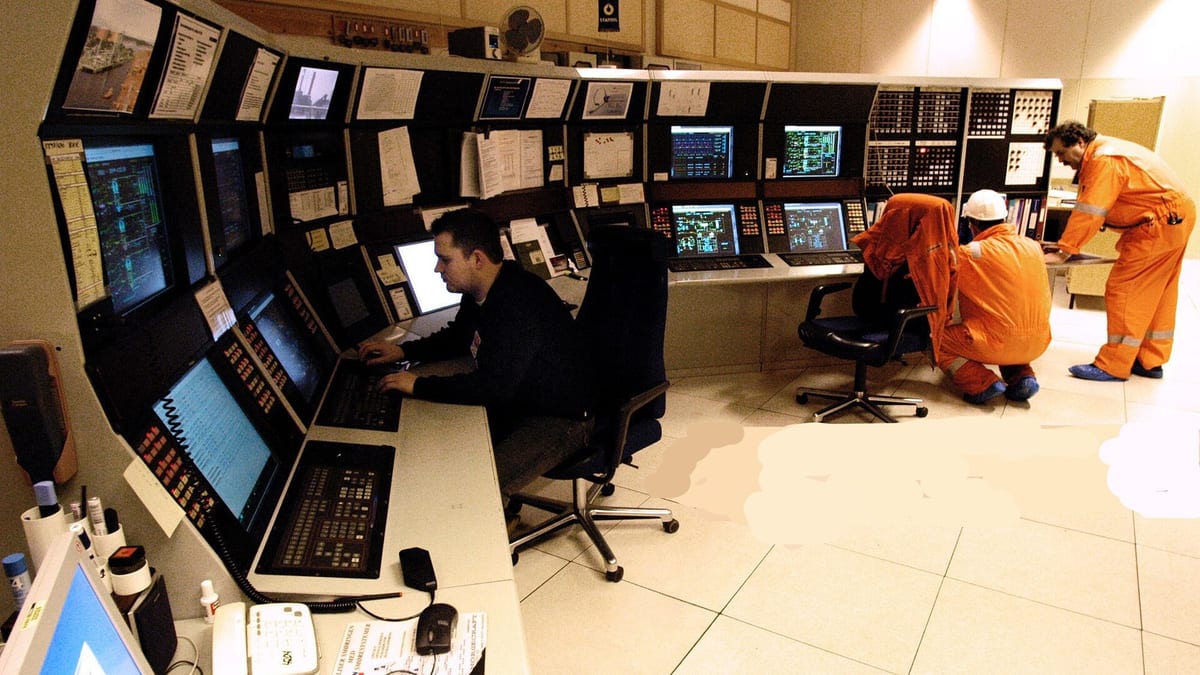
The Studies a Process Safety Engineer Runs: HAZID, HAZOP, LOPA and More
Process safety has its own vocabulary, and most of it describes structured studies. Each one answers a different question at a different stage of a project or plant’s life.
| Study | What it does | When it is used |
|---|---|---|
| HAZID (hazard identification) | A broad workshop to list the major hazards of a facility or project | Early concept and design |
| HAZOP (hazard and operability study) | Works through each part of the process with guide words such as “more pressure” or “no flow” to find how deviations could cause harm | Detailed design and major modifications |
| LOPA (layers of protection analysis) | Checks whether the independent barriers against a scenario reduce the risk enough | After HAZOP, for the higher-risk scenarios |
| SIL (safety integrity level) assessment | Sets how reliable a safety instrumented function must be | When an automated trip is needed as a barrier |
| Bow-tie analysis | Shows the threats, barriers and consequences around one major hazard in a single diagram | Safety cases and communicating risk to operations |
| QRA (quantitative risk assessment) | Calculates the risk to people from major accident scenarios | Facility siting, layout and regulatory submissions |
| MOC (management of change) | A formal review of any change to plant, process or organisation | Throughout operations |
Process safety engineers are rarely experts in every study. Most become strong in two or three and know enough about the rest to ask good questions. Being an effective HAZOP chair or scribe is one of the most marketable skills in the discipline, because every major project needs one.
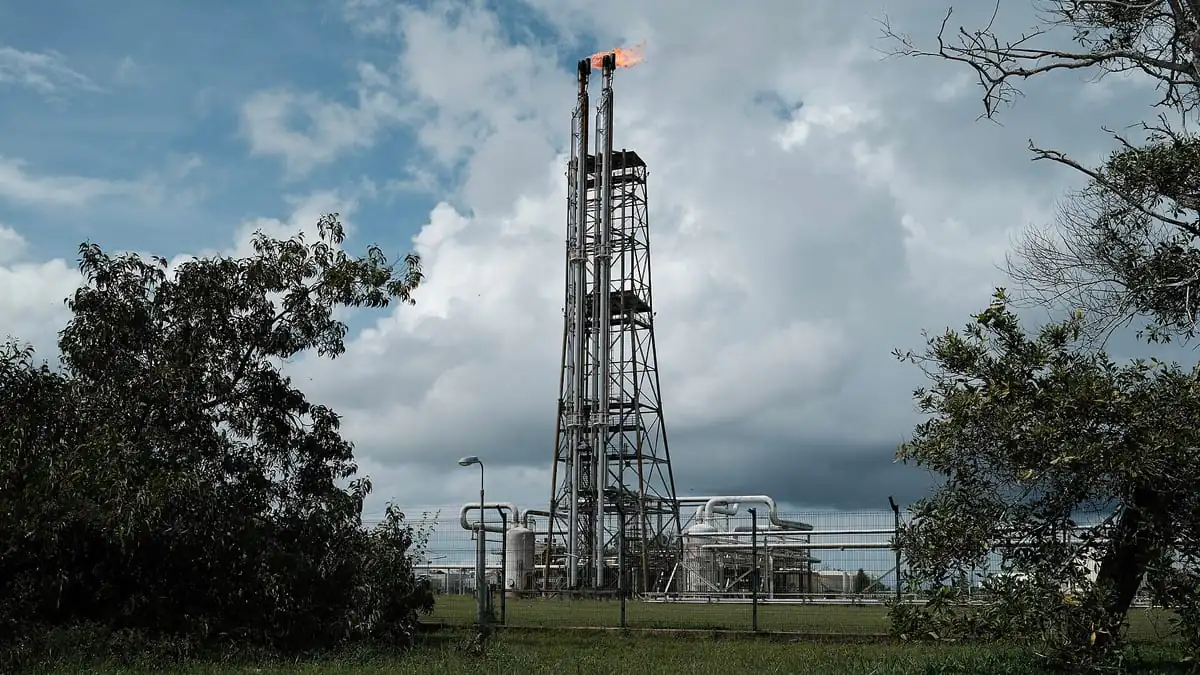
Where Process Safety Engineering Meets the Frontline: Permits, Isolations and Hot Work
A hazard study can be perfect and the plant can still have an accident, because many major incidents happen during maintenance rather than normal operation. When equipment is opened, isolated, cleaned or welded on, the barriers designed into the plant are deliberately taken away for a while. What keeps people safe at that point is the safe system of work.
Frontline Controls Every Process Safety Engineer Should Understand
- Permit to work. The formal system that authorises hazardous work and records how it will be made safe.
- Isolation of energy. Lockout and tagout of pressure, electrical and mechanical energy before anyone touches the equipment.
- Line and equipment opening. Breaking into systems that held hydrocarbons or chemicals, one of the riskiest maintenance tasks on any plant.
- Confined space entry. Entering vessels and tanks where the atmosphere itself can kill.
- Hot work and area classification. Controlling ignition sources wherever flammable gas could be present.
Process safety engineers who understand these controls write better studies, because they know what the frontline can realistically do. Supervisors and maintenance leads who understand process safety apply them better, because they know why each step exists. Our permit to work training covers the system that ties all of these controls together.
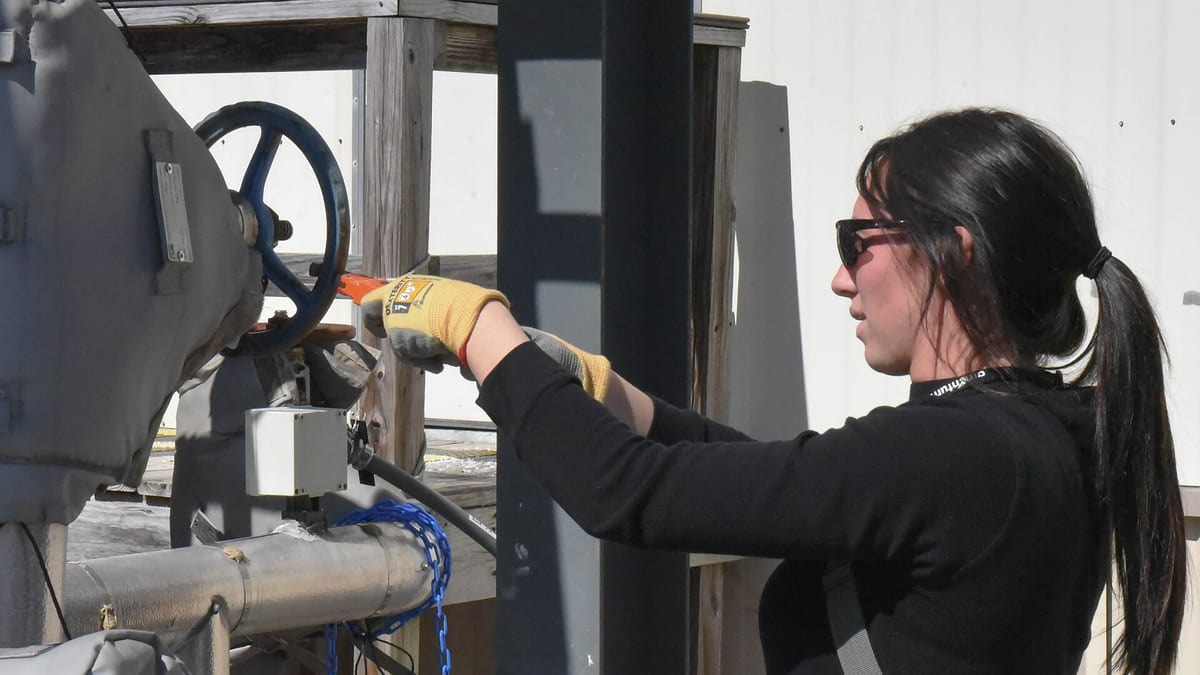
Process Safety (PHA) Training
Built for engineers, supervisors and facility managers involved in maintenance and shutdown work. Over five days you cover recognising and controlling process safety hazards across the tasks where accidents happen most: energy isolation and lockout, line and equipment opening, confined space entry, hot work and area classification, and writing safe work permits.
$5,250 per attendee. Dubai, Kuala Lumpur, London, or in-house at your site.
View Dates & BookProcess Safety Engineer Salary in the UK and Internationally
Process safety is well paid compared with most early-career engineering, and pay rises sharply once you can lead studies independently. The UK figures below draw on 2026 salary data and are a guide only.
| Career stage | Typical UK pay | What usually comes with it |
|---|---|---|
| Graduate or junior process safety engineer | Around £35,000 to £45,000 | Scribing studies, supporting assessments under supervision |
| Process safety engineer | Around £45,000 to £60,000 | Leading smaller studies, owning assessments and MOC reviews |
| Senior or lead process safety engineer | £70,000 and above | Chairing HAZOPs, technical authority, safety case input |
| Contractor or consultant | Day rates, varying widely by sector and region | Project-based work, often across several clients |
Oil and gas, chemicals and LNG generally pay at the upper end. Middle East and offshore roles often add allowances or tax advantages, and experienced HAZOP chairs and SIL specialists can command strong contract rates. As with most engineering roles, compare total packages rather than base salary alone.
Process Safety Engineer Qualifications and Certifications
There is no single licence to practise, but there is a clear set of qualifications that employers recognise. Most process safety engineers build them in layers over their first decade.
Typical Process Safety Engineer Entry Requirements
- Degree. Chemical or process engineering is the most common, with mechanical, petroleum and instrumentation engineering also well represented.
- Experience. Many employers want two to five years in design, operations or production before a dedicated process safety role.
- Postgraduate study. Optional. An MSc in process safety or loss prevention can speed up entry for graduates.
- Offshore requirements. An offshore medical and survival training such as BOSIET for any role that visits installations.
| Credential | Awarded by | What it involves |
|---|---|---|
| Professional Process Safety Engineer (PPSE) | IChemE | Peer-reviewed professional registration against a defined process safety competency standard, with ongoing CPD |
| CCPS Process Safety Professional Certification | Center for Chemical Process Safety (AIChE) | STEM degree plus five years of process safety experience, references, and a 100-question exam; renewed every five years |
| NEBOSH HSE Certificate in Process Safety Management | NEBOSH | Four elements: leadership, management of process risk, hazard control, and fire protection and emergency response; multiple-choice exam |
| Chartered Engineer (CEng) | Engineering Council, through a licensed institution | Expected at senior level and for technical authority roles |
For UK and Commonwealth employers, IChemE’s Professional Process Safety Engineer registration carries the most weight. In North American and multinational organisations, the CCPS certification is increasingly recognised. NEBOSH’s process safety certificate is a practical first step for engineers and supervisors who are not yet ready for professional registration.
How to Become a Process Safety Engineer: Three Routes In
Very few people start their career in process safety. Most arrive by one of three routes, and each one leaves a different gap to close.
Route 1: Process Safety Engineer Graduate Schemes
Some operators and engineering contractors run graduate schemes with a technical safety or process safety stream. You start by scribing studies and supporting assessments, then take on more responsibility over two to four years. The advantage is structure. The gap is plant experience, which you need to seek out deliberately.
Route 2: From Process Engineer to Process Safety Engineer
The most common route. Process engineers already understand pressures, flows, relief systems and how the plant is designed, which is most of what a hazard study needs. The move usually happens after taking part in several HAZOPs and showing an aptitude for them. The gap is the formal methods: LOPA, SIL and consequence modelling.
Route 3: Moving Into Process Safety Engineer Roles From Operations
Production, operations and maintenance engineers bring something many desk-based specialists lack: real knowledge of how the plant behaves and how work is actually done. That makes them valuable in hazard studies and incident investigations. The gap is usually the structured analysis, which formal training and a mentor can close. Engineers from integrity backgrounds make the move too, and our guide on what an asset integrity engineer does shows how closely the two disciplines overlap.
Process Safety Engineer Career Path and Progression
Progression is measured by the size of the hazards you are trusted with and how independently you can judge them.
| Stage | Typical title | What changes |
|---|---|---|
| 0 to 3 years | Graduate or junior process safety engineer | Scribing studies, action tracking, supporting assessments |
| 3 to 7 years | Process safety engineer | Leading LOPA and SIL work, MOC reviews, incident investigations |
| 7 to 12 years | Senior or lead process safety engineer | Chairing HAZOPs, safety case input, mentoring |
| 12 years and above | Technical safety authority, process safety manager or consultant | Setting standards, signing off major decisions, leading teams or a practice |
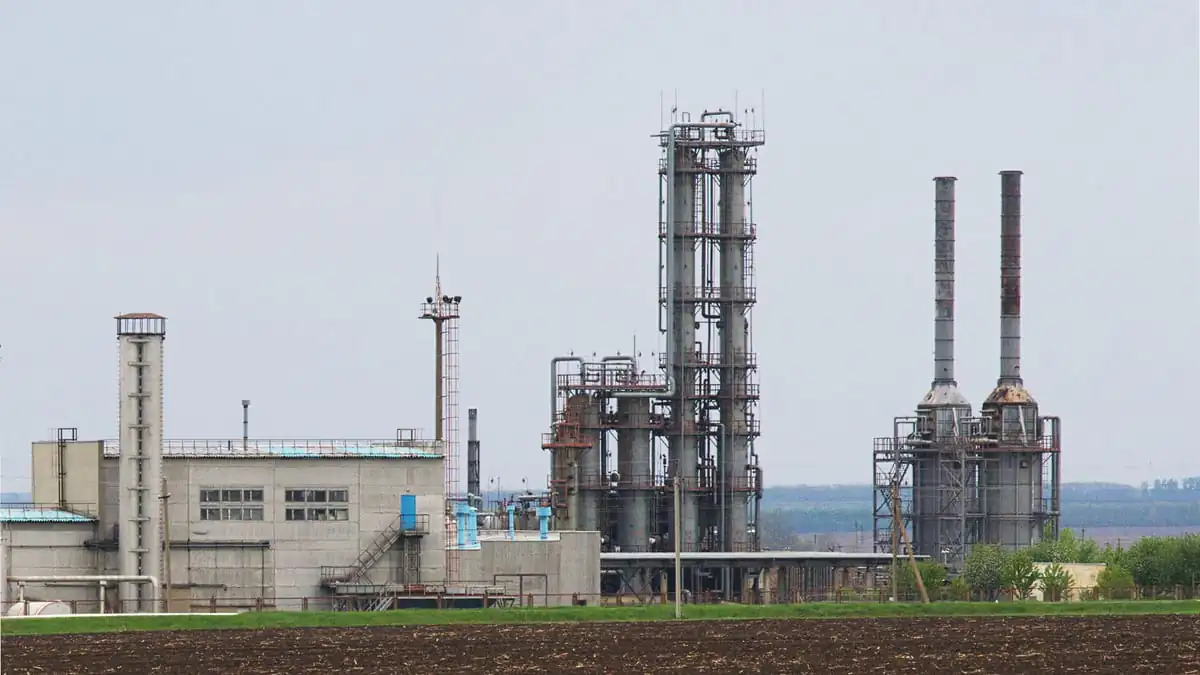
Two branches open at senior level. The technical branch leads to technical authority and specialist consultancy, where your name is on the studies that matter most. The management branch leads to process safety manager and wider HSE leadership, where the work becomes culture, performance indicators and audit. Both pay well. The technical branch tends to travel more easily between companies and countries.
Four habits separate the engineers who progress fastest. They learn the plant, not just the drawings. They write recommendations people can act on, specific and costed rather than vague. They challenge assumptions about barriers that look reliable on paper. And they stay curious about incidents elsewhere, because most accidents repeat lessons the industry has already learned once.
Process Safety Engineer Training and Courses That Build the Career
Process safety training is worth buying deliberately. Match it to the stage you are at and the gap you actually have.
| If your gap is… | Look for |
|---|---|
| You supervise or approve maintenance and shutdown work | Process safety (PHA) training: isolations, line opening, confined space, hot work and permits |
| You need the permit system itself | Permit to work training |
| You investigate incidents or near misses | Incident investigation, root cause analysis |
| You manage ageing plant and barrier integrity | Asset integrity management, risk-based inspection |
| You want professional recognition | NEBOSH process safety management, then IChemE PPSE or CCPS certification |
Our Process Safety (PHA) Training focuses on the frontline end of process safety, the safe systems of work that protect people when plant barriers are opened up for maintenance. It sits within our health and safety training courses, alongside permit to work, incident investigation and job safety analysis, so teams can build a consistent baseline across engineering and operations.

Delegate review
“It is nice to attend such course that is close to my career and enhance my knowledge.”
Assistant Programmer, Medco Energy (Oman) · Well Production Enhancement Training
What a Process Safety Engineer Gets From Our Process Safety Course
- Five-day intensive, 35 CPD hours.
- Upcoming dates in Dubai, Kuala Lumpur and London, or in-house at your own site.
- From $5,250 per attendee. Volume and group discounts for cohorts.
- BAC and CPD Standards Office London accredited. Hours count toward chartership.
- Tailored to your procedures. Isolation, permit and line-opening modules can be aligned with your own site rules.
No course turns a process engineer into a HAZOP chair in a week. What the right training does is give you the language, the methods and the frontline understanding that make every study and every permit you approve more reliable.
Related Courses for Process Safety Engineers
Book Process Safety (PHA) Training for Your Process Safety Engineer Career
Five days on the tasks where process safety is most often lost: energy isolation and lockout, line and equipment opening, confined space entry, hot work and area classification, and writing safe work permits. You will leave able to judge whether a job is genuinely safe to start, not just whether the paperwork is complete.
Five-day intensive. From $5,250 per attendee. Available in Dubai, Kuala Lumpur and London, or in-house at your site, with modules tailored to your own procedures. BAC and CPD Standards Office London accredited.
Volume and group discounts available for cohorts. Ask us for a quote.
Process Safety Engineer FAQs: Frequently Asked Questions
What Does A Process Safety Engineer Do?
A process safety engineer prevents major accidents such as fires, explosions and toxic releases at facilities that handle hazardous fluids. They identify hazards through studies like HAZID and HAZOP, check that safety barriers such as relief valves and trips are good enough, review changes to the plant, investigate incidents and support the safety case. The aim is to keep hydrocarbons and chemicals contained.
What Is The Average Salary For A Process Safety Engineer?
In the UK, most process safety engineers earn between about £38,000 and £60,000, with averages in 2026 salary data around £48,000 to £59,000. Senior and lead engineers earn £70,000 and above, and experienced contractors are paid day rates. Oil and gas, chemicals and LNG generally pay at the upper end, and Middle East roles often add allowances.
What Is The Difference Between A Process Safety Engineer And An HSE Engineer?
A process safety engineer focuses on major accident hazards, the fires, explosions and releases that can destroy a facility. An HSE engineer focuses on occupational health, personal safety and environmental compliance. The process safety engineer works mainly through hazard studies and technical assessments, while the HSE engineer spends more time on site with crews, inspections and audits.
What Qualifications Do You Need To Be A Process Safety Engineer?
Usually a degree in chemical, process, mechanical or a related engineering discipline, plus a few years of design or operations experience. Recognised credentials include IChemE Professional Process Safety Engineer registration, the CCPS Process Safety Professional Certification and the NEBOSH HSE Certificate in Process Safety Management. Chartered Engineer status is expected at senior level.
Is Process Safety Engineering A Good Career?
Yes, for engineers who enjoy analysis and want work with clear purpose. Demand is steady because every hazardous facility needs process safety support throughout its life, not just during construction. The skills transfer across oil and gas, chemicals, LNG, hydrogen and carbon capture, and experienced HAZOP chairs and technical authorities are consistently hard to find.
What Is A HAZOP And Who Takes Part?
A HAZOP, or hazard and operability study, is a structured workshop that works through each part of a process using guide words such as “more pressure” or “no flow” to find how deviations could cause harm. It is led by an independent chair, recorded by a scribe, and attended by process, instrument, mechanical and operations specialists who know the plant.
Can You Become A Process Safety Engineer Without A Chemical Engineering Degree?
Yes. Mechanical, petroleum and instrumentation engineers move into process safety regularly, and operations experience is highly valued. What matters is building a solid understanding of process design and the formal methods, such as HAZOP, LOPA and SIL, through training, mentoring and taking part in studies.
Photo credits (Wikimedia Commons unless stated): gas plant crew by the Department of Energy / Philippine Information Agency, public domain; gas plant aerial by C.Stadler/Bwag, CC BY-SA 4.0; control room by Gerryrkirk, CC BY-SA 4.0; flare stack by Yu Chu Chin, CC BY-SA 4.0; plant operator by PEO ACWA, CC BY 2.0; gas plant columns by ReAl, CC BY-SA 3.0; offshore platform via Pexels. Images cropped.