


A Production Engineer is responsible for keeping oil and gas wells running like clockwork, making sure they’re operating at peak performance while still meeting safety, reliability, and quality standards. They pretty much keep a close eye on the production process, figure out any problems that pop up, and find ways to improve things so outputs are maximized, costs are kept down, and resources are used more efficiently. Working side by side with other engineers, production managers, and machine operators, they draw on their technical know-how and understanding of the manufacturing systems & production equipment to keep the whole production process ticking over. They’re right in the thick of it – from raw materials and production inputs through to assembly lines and finished products – making sure everything meets the highest quality standards and inventory management is just as slick.

With the energy industry being in flux and 2026 on the horizon, skilled Production Engineers are going to be in increasingly short supply – because they’re not just needed in the traditional onshore and offshore oil & gas production management roles, but also in new emerging areas like hydrogen storage, geothermal energy, and advanced manufacturing systems. If you’ve got experience in computer-aided manufacturing, computer-aided design, and industrial engineering principles, you can help optimise production capacity, keep an eye on system performance, and chuck in some new ideas to improve manufacturing processes, all while making sure everything is up to regulatory standards.
For those looking to take their careers to the next level, Production and Completions Engineering courses can give you hands-on experience with real-life processes, equipment maintenance & production management, getting you ready to take on the tough stuff and really get to grips with the complex things that can go wrong. Whether you’re looking to shave a few pennies off operational costs, get on top of labor costs or get better at allocating resources, these courses will give you the knowledge to solve problems, make the most of production inputs, and deliver top-quality outputs.
Educational Requirements for Production Engineers
If you want to become a Production Engineer, you’ll need a solid bachelor’s degree, hands-on experience, and strong technical skills. Production Engineers play a crucial role in managing the entire production process, overseeing manufacturing systems, and ensuring quality standards are met, from raw materials to finished products. They work alongside manufacturing engineers, production managers, and other engineers to optimize production processes, reduce operational costs, and improve production efficiency across the production floor.
What You Need to Study
Most aspiring Production Engineers start with a bachelor’s degree in one of the following fields:
- Mechanical Engineering: Provides knowledge of manufacturing equipment, machine tools, computer-aided manufacturing, computer-aided design, and production equipment, essential for efficient factory running and managing assembly lines.
- Chemical Engineering: Focuses on production inputs, manufacturing processes, and implementing process improvements to produce quality products while minimizing waste and labor costs.
- Petroleum Engineering: Ideal for engineers interested in production management roles, monitoring processes, and optimizing production capacity in energy operations.
- Other Related Engineering Disciplines: Degrees in industrial engineering, electrical engineering, or process engineering provide insights into supply chain management, equipment maintenance, resource allocation, and enterprise resource planning.
Going Further with Masters or Specializing
For those seeking senior production management roles or specialization:
- Master’s Degree or PhD: Deepen expertise in lean manufacturing, continuous improvement, project management, and advanced production planning to improve manufacturing systems and reduce operational costs.
- Industry Certifications: Becoming a Certified Manufacturing Engineer or completing professional courses demonstrates expertise in quality control, process improvements, and production optimization.
Recommended Training for Production Engineers
Practical training is critical for gaining hands-on experience with production equipment and manufacturing systems. One highly recommended course is:
- Artificial Lift Optimization – This course helps Production Engineers optimize production capacity, monitor system performance, and improve production efficiency, giving them the skills to manage related processes, maintain equipment, and oversee the entire production process effectively.
Gaining Practical Experience
Hands-on experience is just as important as formal education:
- Internships or Co-Op Programs: Work on the production floor, alongside machine operators and other workers, gaining experience in manufacturing processes and equipment maintenance.
- On-Site Training: Learn how production inputs, computer systems, and related processes interact to produce goods efficiently.
- Industry Projects: Apply problem-solving skills, project management, and resource allocation to eliminate waste, reduce labor costs, and improve production efficiency and quality of products.
Production Engineer Roles and Responsibilities in Well Operations and Production Facilities

A Production Engineer is an absolute must-have in any operations team, responsible for making sure wells and production facilities run smoothly, safely, and with minimal fuss. Bringing their technical know-how – combined with a healthy dose of analytical and communication skills – they wage a constant battle to get the best out of the equipment, minimise downtime, and fix problems before they become major issues.
Key Responsibilities
- Staying on top of well production: Check in regularly on production data – including flow rates, pressure, and how the reservoir is performing – to keep everything ticking over.
- Getting the best out of production techniques: Spot the opportunities to boost output, cut downtime, and put in place the best practices that will really make a difference to production optimisation.
- Managing artificial lift systems: Design, install, and oversee artificial lift systems like gas lift or ESPs to keep production steady.
- Sorting out operational problems: Get to the bottom of challenges like scaling, sand production, or equipment failures and find a solution.
- Working together and reporting: Collaborate closely with completions engineers, field operators, and production supervisors, providing detailed reports and solid recommendations to further improve operations.
To keep their skills sharp and up to date, Production Engineers in the making can also explore industry-recognised courses such as Gas Lift Systems Design, Operation, and Optimisation. These courses provide hands-on knowledge in artificial lift systems, well monitoring, and plant operations, allowing engineers to give manufacturing processes a boost and drive production optimisation much more effectively.
How does the Production and Surveillance Training Course Help Production Engineers?
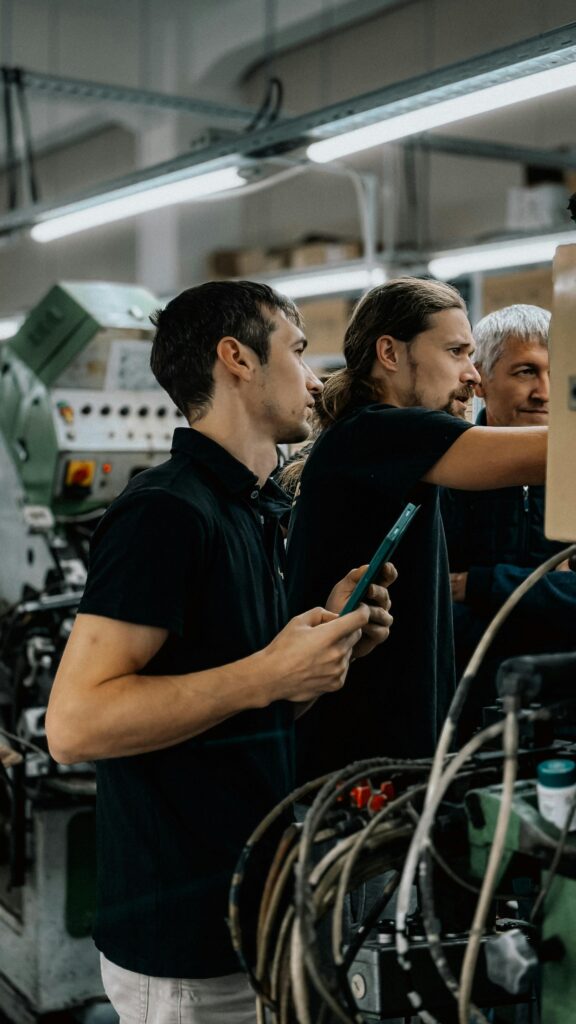
A Production and Surveillance Training course is designed to give Production Engineers the technical knowledge and hands-on skills needed to optimize well performance, troubleshoot issues, and manage plant operations efficiently. This comprehensive program from Mobility Oil & Gas covers all aspects of production optimization and manufacturing processes in real-world field settings.
What’s Included in the Course
Day 1: Production Operations & Flow Assurance
- Field Operations Overview: Learn field layout, production flow paths, and key equipment including wellheads, SCSSVs, chokes, manifolds, and separators.
- Flow Assurance: Understand fluid properties such as GOR, BS&W, API gravity, and emulsions. Identify common risks like wax, hydrate, scale, sand, and paraffin, and learn mitigation techniques including pigging, chemical injection, and heat tracing. Case studies highlight flow restrictions and their impact on production.
Day 2: Surveillance, Testing & Best Practices
- Surveillance Fundamentals: Master routine, reactive, and diagnostic surveillance while monitoring WHP, WHT, GOR, BS&W, and flow rates.
- Best Practices in Data Collection & Field Testing: Learn QA/QC protocols, field documentation, and data validation. Hands-on tasks help engineers critique and improve sample daily reports.
Day 3: Production Surveillance, Troubleshooting & Diagnostics
- Identifying Issues Through Trends: Analyze WHP, GOR, BS&W trends to detect declines, instability, or crossflow.
- Corrective Actions & Field Response: Apply choke management, SCSSV reset, chemical treatments, and strategies for idle or underperforming wells. Case studies provide practical problem-solving experience.
Day 4: Artificial Lift (Gas Lift Focus) & System Optimization
- Gas Lift Fundamentals: Learn about valves, mandrels, unloading, failure modes, and troubleshooting techniques. Optimize gas injection for maximum well efficiency.
- System Optimization & Allocation: Balance gas lift networks and allocate lift gas across wells using real field data.
Day 5: Production Chemistry, Integrity, Optimization & Wrap-Up
- Production Chemistry & Integrity: Mitigate scale, corrosion, surfactants, asphaltenes, and paraffin. Diagnose formation damage and monitor well integrity.
- Optimization & Field Start-Up: Apply nodal analysis, rank wells, follow start-up protocols after shut-ins, and implement HSE measures such as PTW, JSA, chemical safety, and flaring. Final task: develop a production surveillance and optimization plan for a 5-well land asset.
Benefits for Production Engineers
Completing this course allows engineers to:
- Enhance well monitoring skills and data interpretation
- Apply advanced production optimization strategies
- Troubleshoot complex production challenges effectively
- Gain practical experience in plant operations and manufacturing processes
Learn more about this course here: Production Operations and Surveillance Training
What Does a Production Engineer Do Daily? Key Tasks and Responsibilities
It’s no easy task balancing technical know-how, analytical thinking, and being part of a tight-knit team – all to keep wells and production facilities running smoothly. Their days are never dull, requiring quick thinking on your feet to deal with any problems that crop up.
What a Production Engineers Day Looks Like
- Keeping an Eye on Well Performance: Day to day, they’re checking flow rates, pressures and other vital metrics to make sure the well is humming along as it should be. This data is the key to identifying any potential issues or opportunities for production optimization.
- Working Hand in Hand with the Team: They’re in close contact with the completions engineers, supervisors and field operators – all working together to implement solutions, coordinate tasks and keep the plant running like clockwork. It’s all about making sure everyone is on the same page when it comes to production goals.
- Troubleshooting Problems as They Arise: If there are any operational issues like sand production, scaling or equipment malfunctions, Production Engineers get to work figuring out the cause and finding a solution. By nipping these problems in the bud, they’re able to prevent costly downtime and keep the production output steady.
- Fine Tuning the Production: Adjusting the artificial lift systems, valves and other gear is all part of the daily routine. And it’s not just about keeping things running – these adjustments have a direct impact on production efficiency and overall well performance.
- Reporting on Progress: They need to put together daily and weekly production reports for the management and stakeholders – and that’s a big part of the job. Accurate documentation helps track progress over time, plan for maintenance and inform the production planning strategy.
In a fast-paced role like this, staying one step ahead of the game, being technically proficient and able to think on your feet are all must-haves. When a Production Engineer combines hands-on expertise with the strategic thinking to make informed decisions, the result is wells that operate safely, efficiently and profitably.
Production Engineer Salary Expectations: Junior, Mid-Level, and Senior Roles
Salaries for Production Engineers can vary depending on experience, location, and the size of the company. Understanding these ranges helps aspiring engineers plan their careers and evaluate job opportunities.
Typical Salary Ranges
- Junior Production Engineer: £32,917 – £38,000 per year
Entry-level engineers often start here, gaining hands-on experience in well monitoring, production optimization, and plant operations. - Mid-Level Production Engineer: £38,000 – £45,000 per year
With several years of experience, engineers take on greater responsibility, managing production processes, troubleshooting operational issues, and collaborating with field teams. - Senior Production Engineer: £45,000 – £55,000+ per year
Senior engineers lead production teams, oversee continuous improvement initiatives, and optimize complex manufacturing processes across multiple wells or facilities.
Additional Benefits
Many companies offer more than just a salary. Benefits may include:
- Performance bonuses and incentive programs
- Relocation support for field or offshore roles
- Professional development opportunities, such as specialized courses in production and completions engineering
With the right skills and experience, a Production Engineer can enjoy a competitive salary and a rewarding career in optimizing well performance and managing efficient plant operations.
FAQs About Production Engineers
1. What does a Production Engineer do?
A Production Engineer oversees the entire production process to ensure manufacturing systems run efficiently. They monitor production processes, optimize equipment performance, and work closely with manufacturing engineers and plant managers to maintain quality standards and improve production efficiency.
2. What qualifications do I need to become a Production Engineer?
Most production engineers start with a bachelor’s degree in mechanical engineering, chemical engineering, industrial engineering, or other related fields. A master’s degree can help specialize in areas like process improvements, production management roles, or enterprise resource planning, making you more competitive for senior positions.
3. How important is practical experience for Production Engineers?
Practical experience is crucial. Working on the production floor with machine tools and managing production equipment helps you understand real-world challenges. Learning equipment maintenance and inventory management firsthand allows production engineers to troubleshoot issues effectively and optimize production processes.
4. What skills should a Production Engineer have?
A production engineer needs strong problem-solving skills, technical knowledge of manufacturing systems, and experience in process engineering. They should also be familiar with computer-aided manufacturing, production inputs, resource utilization, and monitoring processes to ensure the entire production process runs smoothly.
5. How do Production Engineers work with Plant Managers and other teams?
Production engineers collaborate closely with plant managers, manufacturing engineers, and other staff to improve production capacity, system performance, and quality products. By coordinating tasks, managing human resources, and supervising the production floor, they ensure manufacturing equipment and machine tools are used efficiently while reducing operational costs.