


TLDR
A mud logger monitors a well while it is being drilled. The job has three parts: catching and describing the rock cuttings that come back to surface, measuring the gas carried up in the drilling mud, and watching the drilling data for early signs of trouble such as a kick. The result is the mud log, the first record of what the well has actually drilled through.
Most mud loggers hold a geology or earth science degree. UK pay starts around £25,000 to £30,000 once trained and reaches £65,000 to £70,000 at senior level, usually on a two weeks on, two weeks off rotation. For many people the role is the first step towards becoming a wellsite geologist.
This guide covers what a mud logger does on shift, how to read a mud log, what the job pays, how to get in, how the career progresses, and the training that moves you forward at each stage.
What Does a Mud Logger Do on a Drilling Rig?
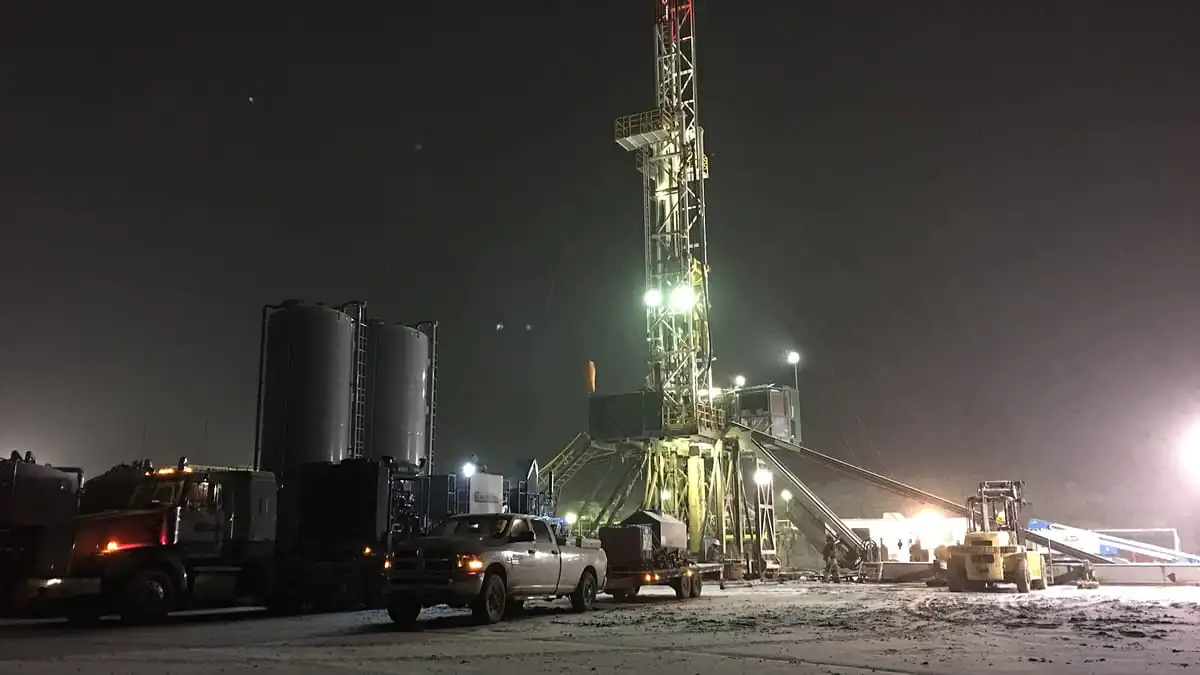
A mud logger is the person on the rig who turns what comes out of the hole into information. While the drill bit is turning thousands of metres below, nobody can see the rock it is cutting. The mud logger reads the evidence that does reach surface: the crushed rock carried up in the drilling mud, the gas released from the formation, and the numbers coming off the rig’s sensors.
That information serves two customers at once. The geology team needs it to know which formation the well is in, whether it has reached the reservoir, and whether there are signs of oil or gas. The drilling team needs it for safety, because a sudden rise in gas or a gain in mud volume can be the first warning of a kick, an uncontrolled flow of formation fluid into the well.
Mud loggers work from a dedicated mud logging unit, a self-contained cabin on the wellsite or platform that houses the gas detection equipment, a microscope bench and the computers that record every drilling parameter. Crews are small, typically two to four people covering the well around the clock, and most are employed by specialist service companies contracted to the operator.
Mud Logger Job Description: Daily Duties on Shift
A mud logger’s shift is usually twelve hours, and the work follows the rhythm of drilling. When the well is drilling ahead, samples come up continuously and the unit is busy. When the rig is tripping pipe or running casing, the focus moves to monitoring volumes and preparing reports.
A Mud Logger’s Core Responsibilities
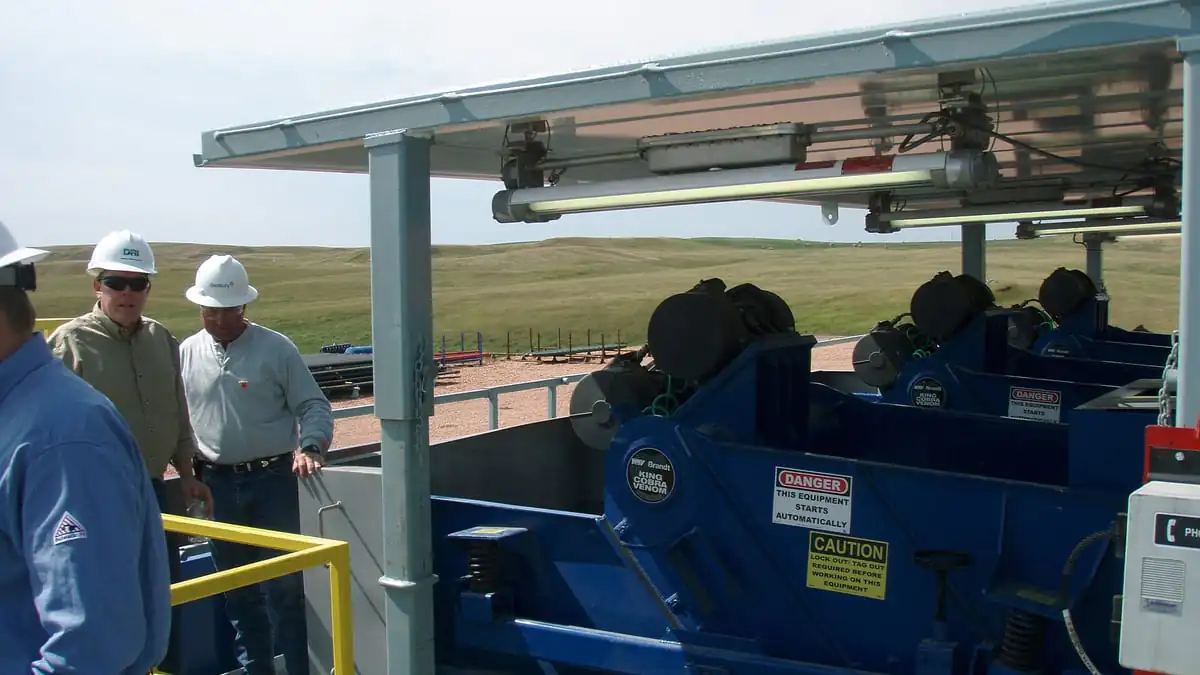
- Collecting cuttings samples at the shale shakers at set depth intervals, then washing, drying and bagging them
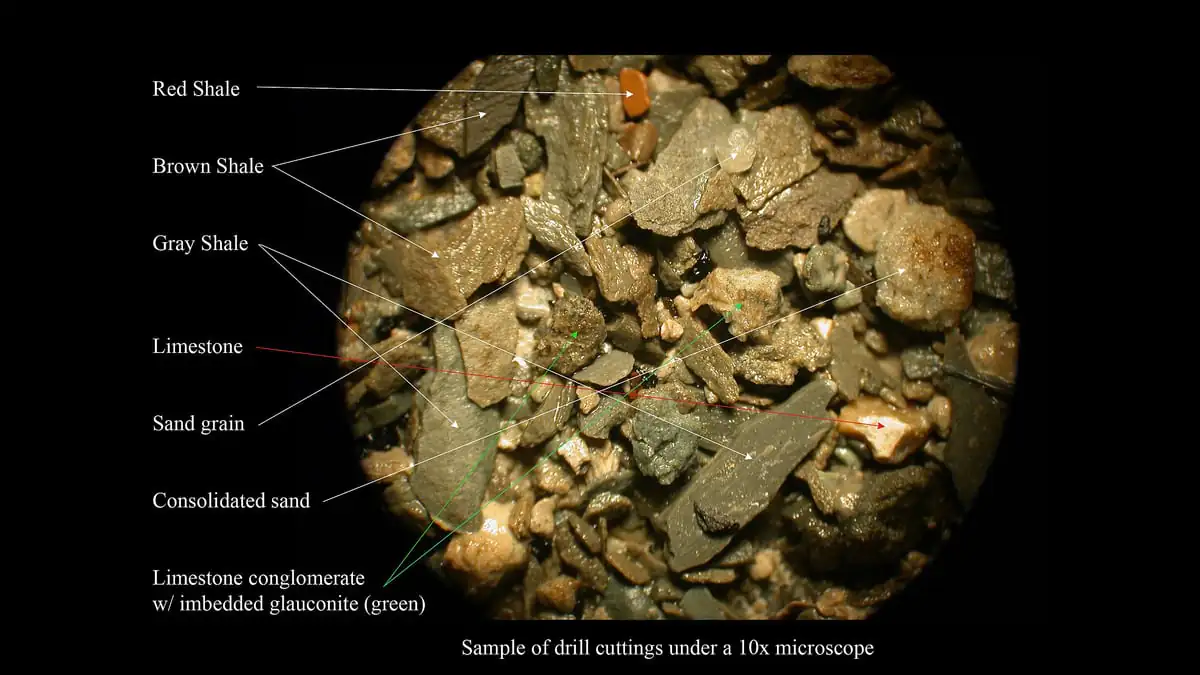
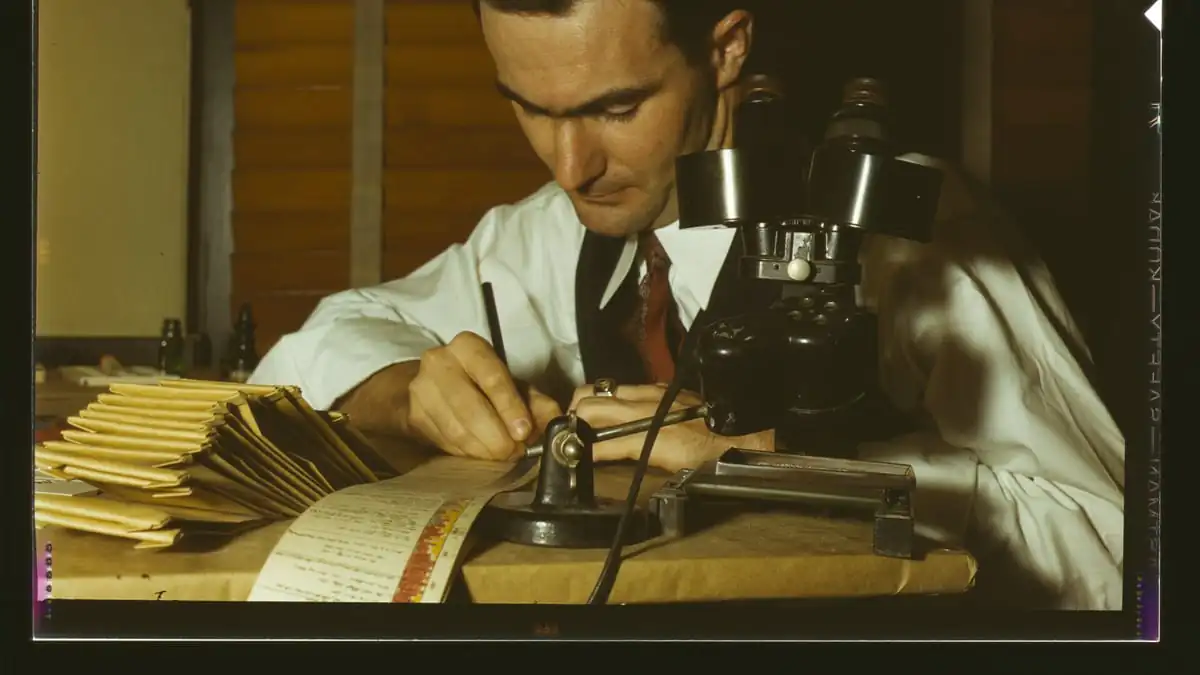
- Describing each sample under the microscope: rock type, colour, grain size, hardness and any oil shows
- Calculating lag time so every sample and gas reading is assigned to the correct depth
- Running and calibrating the gas detection system and the gas chromatograph
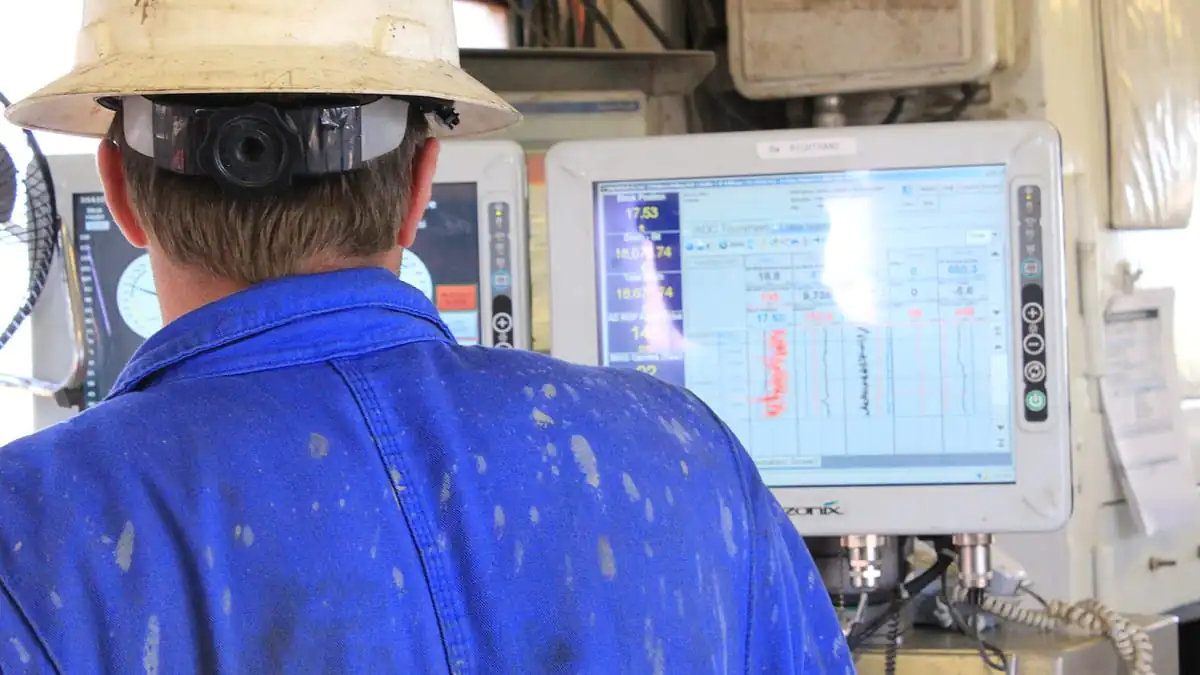
- Monitoring drilling parameters in real time, including rate of penetration, pump pressure and mud pit volumes
- Alerting the driller and company representative immediately to gas peaks, pit gains or losses
- Building and updating the mud log, plus daily reports for the geology and drilling teams
- Assisting the wellsite geologist during coring and at casing and total depth points
The safety side of the job is easy to underestimate. Mud loggers are often the first to see that something is changing downhole, because they watch the combination of gas, mud volume and drilling rate rather than any one number. A well-run mud logging unit is part of the rig’s well control system, not just a geology service.
How a Mud Logger Reads Gas, Cuttings and Drilling Data
Everything a mud logger records falls into three streams of data. Understanding how each one works, and where it can mislead you, is what separates a reliable logger from someone filling in boxes.
Gas Detection: The Mud Logger’s Early Warning System
As the bit cuts rock, gas trapped in the formation is released into the mud. At surface, a gas trap or degasser extracts it, and two instruments measure it. A total gas detector gives a continuous reading of all hydrocarbon gas. A gas chromatograph separates that gas into its components, typically methane through to pentane, and the ratios between them help indicate whether a zone is more likely to hold gas, light oil or heavier oil.
The mud logger also tracks the different kinds of gas reading. Background gas is the steady level while drilling. Connection gas appears each time the pumps stop to add pipe. Trip gas appears after pulling out and running back in. Rising connection gas over several stands is one of the classic signs that formation pressure is approaching the weight of the mud.
Cuttings Analysis: What the Mud Logger Sees Under the Microscope
Cuttings are caught at the shale shakers, the vibrating screens that separate rock from mud. The mud logger washes each sample, examines it under a binocular microscope, and records the lithology and its percentage in the sample. Ultraviolet light shows fluorescence from oil, and simple tests such as calcimetry help distinguish limestone from dolomite.
None of this is useful unless the depth is right. A sample at the shakers was cut some minutes earlier, and the time it took to travel up the annulus is the lag time. The mud logger calculates it from the hole volume and the pump output, then checks it regularly with a tracer such as calcium carbide. Get the lag wrong and every description on the log sits at the wrong depth.
Drilling Parameters the Mud Logger Watches Around the Clock
Sensors on the rig feed the mud logging unit with rate of penetration, weight on bit, rotary speed, torque, standpipe pressure, mud flow in and out, mud density and the volume in each pit. Changes in rate of penetration often mark a change in rock type before the cuttings arrive. Trends such as the d-exponent help track pore pressure, and that links the mud logger’s work directly to pore pressure prediction on the well engineering side.
How to Read a Mud Log: The Mud Logger’s Core Output
The mud log is a depth-based strip that brings all three data streams together. It is the first geological record of the well, produced in real time, and it is used long after drilling ends when engineers compare it with wireline logs and core.
| Mud log track | What the mud logger records | What it tells the team |
|---|---|---|
| Depth and rate of penetration | Measured depth, drilling speed per metre or foot | Drilling breaks that often signal a new formation or porous zone |
| Lithology percentage | The share of each rock type in every sample | What is actually being drilled, interval by interval |
| Interpreted lithology | The logger’s best judgement of the formation | A clean column the geologist can correlate with offset wells |
| Total gas and chromatograph | Gas level and the split between methane and heavier components | Possible hydrocarbon zones and changing pressure |
| Shows and fluorescence | Oil stain, odour, fluorescence and cut under UV light | Direct evidence of oil in the rock |
| Remarks | Casing points, mud weight changes, trips, losses, connection gas | Context the drilling team needs to explain the data |
Reading one well is mostly about patterns. A drilling break with a gas peak and fluorescent sandstone cuttings at the same depth is a strong indication of a hydrocarbon-bearing zone. A rise in background gas, with connection gas getting larger and cuttings becoming larger and splintery, points to rising formation pressure. Learning to read those combinations quickly is what makes a mud logger useful at three in the morning.
Mud Logger Salary in the UK and Internationally
Mud logging pays modestly at entry and well at senior level, and the rotation pattern matters as much as the base salary. The UK bands below are broadly representative and are a guide only.
| Career stage | Typical UK pay | What usually comes with it |
|---|---|---|
| Trainee mud logger | £20,000 to £25,000 | Classroom induction, then supervised hitches on the rig |
| Qualified mud logger | £25,000 to £30,000 | Full shift responsibility in the unit |
| Experienced mud logger or data engineer | Around £45,000 | Data quality ownership, pressure monitoring, training juniors |
| Senior roles, such as crew chief or pressure specialist | £65,000 to £70,000 | Running the unit and the client relationship |
| Wellsite geologist (contractor) | Around £350 to £450 a day at entry, £800 to £1,000 a day with significant experience | Paid only for days worked, typically around 150 days a year |
Offshore work normally includes free accommodation, meals and travel during the hitch, and hardship locations pay extra. Large multinational service companies tend to offer the best pay and the clearest progression. Outside the UK, packages vary widely by country and are often quoted as day rates, so compare total earnings over a year rather than the headline figure.
Mud Logger Qualifications, Skills and Entry Requirements
Mud logging is one of the more accessible ways into upstream oil and gas, but service companies still screen carefully, because a logger works with limited supervision on a live well.
Typical Mud Logger Entry Requirements
- Degree. Most mud loggers have a geology degree. Physics, chemistry, geochemistry, geophysics, petroleum or mining engineering and other applied sciences are also accepted.
- HND routes. Some companies accept an HND in geology or a related subject where there is strong practical experience.
- Postgraduate study. Not usually required for entry.
- Offshore safety and medical. An offshore medical, plus BOSIET (Basic Offshore Safety Induction and Emergency Training) for UK waters. BOSIET takes three days and is valid for four years.
- Hydrogen sulphide awareness. H2S training is expected on many land and sour gas wells.
- Driving licence and mobility. Land rigs are often remote, and most employers expect you to travel at short notice.
The skills that matter most are practical. You need a good eye for rock under the microscope, enough maths to calculate lag and volumes accurately, comfort with computers and data systems, and the confidence to tell a driller that something is wrong. You also need to live and work well in a small team in close quarters for weeks at a time.
How to Become a Mud Logger: Three Realistic Routes In
Almost everyone arrives by one of three routes. Which one fits you decides what training is worth paying for.
Route 1: Graduate Mud Logger With a Service Company
The most common path. Geology and earth science graduates apply directly to mud logging and surface data companies, complete an induction course covering drilling equipment, rock mechanics and well pressure, then go offshore or to a land rig as a trainee. Applications are often speculative and recruitment rises and falls with oil prices and exploration activity, so apply widely and directly.
Route 2: From Sample Catcher to Mud Logger
On many land operations, particularly in North America, people start as sample catchers. The job is to collect and prepare cuttings for the logger. It needs no degree and gives direct exposure to how the unit works. Combined with structured training, it can lead to a logging position.
Route 3: Moving Into Mud Logger Work From an Adjacent Role
Some people arrive from laboratory, geotechnical or mining roles, or from other wellsite services. The geology usually transfers. What does not transfer automatically is drilling knowledge: how a rig works, why mud weight matters and what a kick looks like in the data. Our Introduction to Wellsite training is a useful first step for anyone who has never worked on a rig.
On any of these routes, formal training shortens the time it takes to become trusted on shift. The induction most employers give is short, and the rest is learned on the job under pressure.
Modern Mud Logging Training
Built for new wellsite and operations geologists, drilling engineers and anyone who needs to understand mud logging data. Over five days you cover drilling fluids and hydraulics, abnormal pressures and kicks, how to read a mud log, total and component gas analysis, sample lagging, cuttings description and data quality control.
$5,250 per attendee. Dubai, Houston, London, Nairobi, Doha, Kuala Lumpur or online.
View Dates & BookMud Logger Career Path: From Trainee to Wellsite Geologist
Mud logging is widely seen as an entry-level role, and that is its strength. Few jobs give a geologist this much exposure to live drilling this early. The progression is well established.
| Stage | Typical title | What changes |
|---|---|---|
| 0 to 1 year | Sample catcher or trainee mud logger | Sample collection, basic descriptions, learning the unit and the rig |
| 1 to 3 years | Mud logger | Full shift responsibility, gas and pit monitoring, building the log |
| 2 to 4 years | Data engineer or crew chief | The most senior role in the unit: data quality, sensors, client reporting |
| 3 years and above | Pressure analyst, flow detection specialist, hole stability engineer | Specialist interpretation for the drilling team |
| 3 to 5 years and above | Wellsite geologist | Represents the operator’s geology team on site and supervises the logging crews |
Beyond the wellsite, the path widens. Former mud loggers move into operations geology, petrophysics and reservoir engineering, and the mud log experience is valued in all three. If the well-log side of the work interests you most, our guide on how to become a petrophysicist sets out that route. Others move across to drilling, where an understanding of what the formation is doing makes a better drilling engineer.
Mud Logger vs Wellsite Geologist vs Mud Engineer: Key Differences
These three roles share a wellsite and similar names, and they are easy to confuse. The difference is who they work for and what they are responsible for.
| Mud logger | Wellsite geologist | Mud engineer | |
|---|---|---|---|
| Main job | Monitors and records what returns from the well: cuttings, gas and drilling data | Interprets the geology and makes calls on coring, casing points and total depth | Designs and maintains the drilling fluid so it does its job |
| Typical employer | Mud logging or surface data service company | Usually a self-employed consultant working for the operator | Drilling fluids service company |
| Background | Geology or science degree | Geology degree plus mud logging or logging experience | Chemical, petroleum or other engineering degree |
| Pay model | Salary plus offshore benefits | Day rate | Salary plus field allowances |
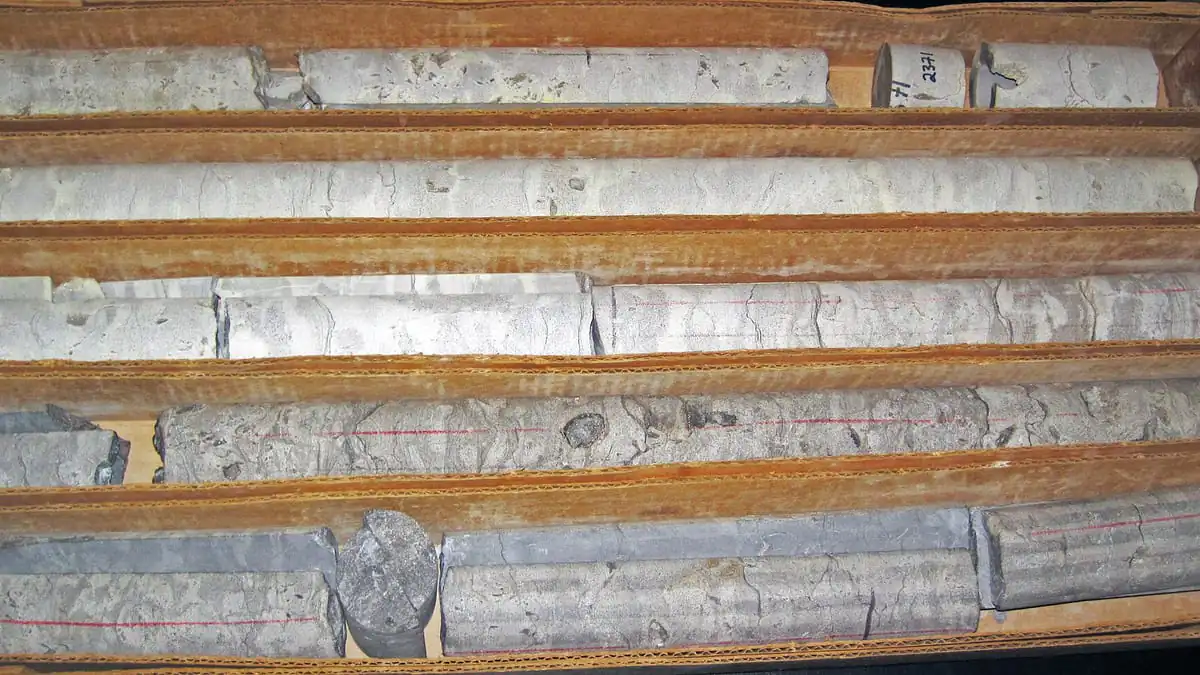
The wellsite geologist is the natural next step for a mud logger. Most get there after one to three years in the unit, sometimes adding a relevant Masters. Training for new wellsite geologists typically covers wellsite procedures, abnormal pressure interpretation and formation evaluation while drilling, and many work towards Chartered Geologist status with the Geological Society. Our geology training courses cover the wellsite and formation evaluation side of that move.
Life as a Mud Logger: Rotations, Rewards and Honest Drawbacks
Mud logging is a good job for the right person and a hard one for the wrong person. It is worth knowing both sides before you apply.
What Mud Logger Work Is Really Like
- The rotation. Twelve-hour shifts, seven days a week, typically two weeks on and two weeks off. Some contracts run four weeks on, four off.
- The upside. Real responsibility early, hands-on experience of live drilling, long blocks of time off, and a clear route to better-paid geology roles.
- The environment. The unit is one of the safer and more comfortable parts of the rig, but rig life is intense and you live in close quarters with the crew.
- The drawbacks. Long periods away from home, remote locations, night shifts and job security that follows the oil price.
- Where the work is. The North Sea, the Middle East, West Africa and the major onshore basins. International mobility opens far more opportunities.
The people who do well treat the first two years as paid training. They ask questions of the wellsite geologist, learn the drilling side properly, and keep a record of the wells they have worked. That record is what gets them the next role.
Mud Logger Training and Courses That Build Your Career
Employer inductions teach you to run the unit. They rarely give you the wider understanding that makes you trusted on shift and ready for promotion. Match the training to the gap you actually have.
| If your gap is… | Look for |
|---|---|
| You are new to mud logging or about to start your first hitch | Modern mud logging: gas analysis, lag, cuttings description and reading a mud log |
| You have never worked on a rig | Introduction to wellsite operations, basic drilling technology |
| You want to move into pressure work | Pore pressure prediction and evaluation, well control awareness |
| You are preparing for a wellsite geologist role | Wellsite operations management, formation evaluation, well log interpretation |
Our Modern Mud Logging Training covers the full workflow in five days, from drilling fluids and abnormal pressure through to gas analysis, sample lagging and data quality. It sits within our wider drilling engineering courses, so you can build from logging into well operations and pressure work as your career develops. For a technical reference on the service itself, the Society of Petroleum Engineers’ PetroWiki entry on mud logging is a reliable starting point.
Delegate review
“It was a great experience. I have learnt a lot on offshore technology and operational particularities. The course was thoroughly designed and presented, with a very up-to-date approach on the newest technologies.”
Exploration Geologist, Romgaz (Romania) · Advanced Deepwater Drilling and Completions Training
What a Mud Logger Gets From Our Mud Logging Course
- Five-day intensive, 35 CPD hours, classroom or online.
- Seven locations: Dubai, Houston, London, Nairobi, Doha, Kuala Lumpur and online.
- From $5,250 per attendee. Volume and group discounts for cohorts.
- BAC and CPD Standards Office London accredited. Hours count toward chartership.
- Delivered by instructors with field experience, with case studies drawn from live operations.
A course will not replace hitches on a rig. What it does is shorten the time it takes to understand what you are seeing, so the experience you gain on shift counts for more.
Related Courses for Mud Loggers
Book Modern Mud Logging Training for Your Mud Logger Career
Five days on what a mud logger actually needs to know: drilling fluids, abnormal pressures and kicks, gas detection and chromatography, sample lagging, cuttings description and how to read a mud log. You will leave able to challenge the quality of your own data, not just record it.
Five-day intensive. From $5,250 per attendee. Available in Dubai, Houston, London, Nairobi, Doha and Kuala Lumpur, online, or in-house at your site. BAC and CPD Standards Office London accredited.
Volume and group discounts available for cohorts. Ask us for a quote.
Mud Logger FAQs: Frequently Asked Questions
What Does A Mud Logger Do?
A mud logger monitors a well while it is drilled. They collect and describe the rock cuttings carried to surface in the drilling mud, measure the gas released from the formation, and watch drilling data such as rate of penetration and mud pit volumes. The output is the mud log, used by both the geology and drilling teams, and the mud logger is often the first to spot signs of a kick.
How Much Do Mud Loggers Get Paid In The UK?
Trainees typically earn £20,000 to £25,000, rising to £25,000 to £30,000 once trained. Experienced mud loggers earn around £45,000, and senior roles reach £65,000 to £70,000. Offshore work usually includes accommodation, meals and travel, and hardship locations pay more. These figures are a guide only.
How Do You Become A Mud Logger?
Most mud loggers are geology or science graduates who apply directly to mud logging service companies and complete an induction before going to a rig as a trainee. On land operations, some start as sample catchers. You will need an offshore medical, safety training such as BOSIET for UK waters, and a willingness to work rotations in remote locations.
What Is The Difference Between A Mud Engineer And A Mud Logger?
A mud engineer designs and maintains the drilling fluid itself, adjusting its weight and properties so it controls pressure and carries cuttings. A mud logger monitors what comes back in that fluid: the cuttings, the gas and the drilling data. They work for different service companies and have different backgrounds, but they work closely together on the rig.
Is Mud Logging A Hard Job?
It is demanding rather than physically heavy. Twelve-hour shifts, seven days a week, night work and long spells away from home are the hard parts. The technical side needs care and concentration, especially lag calculations and spotting changes in gas. Many people accept those demands because the role offers early responsibility and a clear route to better-paid geology work.
Do You Need A Degree To Be A Mud Logger?
Most employers ask for a degree in geology or another science or engineering subject. Some accept an HND in geology with strong practical experience, and sample catcher roles on land rigs often need no degree at all. A degree becomes more important if you want to progress to wellsite geologist.
How Long Does It Take To Go From Mud Logger To Wellsite Geologist?
Typically one to three years as a mud logger, often followed by time as a data engineer or in logging-while-drilling work, before moving into a wellsite geologist role. Strong references from senior geologists, a good record of the wells you have worked and relevant training all help, and some people add a Masters in geology or geoscience.
Photo credits (Wikimedia Commons): mud logging unit by Qfl247, CC BY-SA 3.0; drilling rig at night by BLM Nevada, public domain; rig deck worker by Lindsey G, CC BY 2.0; drill cuttings by Mudgineer, CC BY-SA 3.0; shale shakers by Joshua Doubek, CC BY-SA 3.0; geologist examining cuttings by John Vachon, public domain; core samples by James St. John, CC BY-SA 4.0. Images cropped.